




















.jpg?la=en&h=320&w=720&hash=244C75B74F0F77521D56164450973BCD)













.jpg?la=en&h=310&w=720&hash=8D9823F26AA80B2B75C3E4B2E61770DC)


.jpg?la=en&h=320&w=719&hash=13CA7E4AA3E453809B6726B561F2F4DD)
.jpg?la=en&h=306&w=720&hash=F21A7CD3C49EFBF4D41F00691D09AEAC)

.png?la=en&h=320&w=720&hash=18CFCCD916C92D922F600511FABD775D)









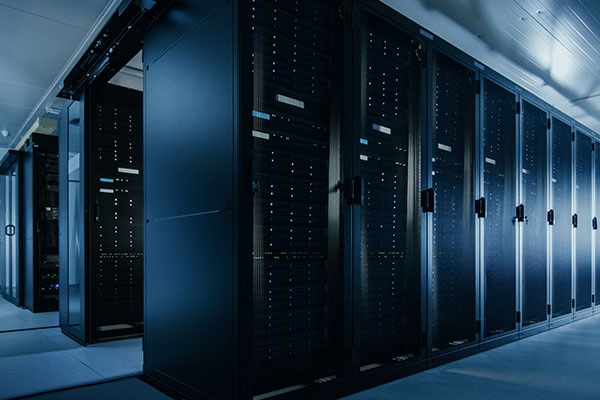




Driven by tightening regulations, rising energy costs and increasing resource constraints, today’s data centre operators are being asked to deliver more capacity with fewer inputs. With only 35 to 50% of input fuel typically converted into electricity, the remainder is released as heat — representing a significant untapped opportunity. Capturing and reusing this waste heat can help operators reduce energy consumption, improve sustainability performance and strengthen resilience.
This is where absorption chillers and the thermal technologies behind them come into play.
Waste‑Heat Reuse: From optional to essential
Across the European Union, new heat‑export requirements are pushing operators to reuse waste heat rather than release it into the atmosphere. This shift is already driving projects where heat from servers is fed directly into district heating networks. Even in regions without formal mandates, the economic and environmental benefits are encouraging wider adoption — particularly where grid capacity is limited or water availability is restricted.
As a result, absorption chillers are gaining renewed attention.
“Absorption chillers can be driven by waste heat from combined heat and power systems, providing beneficial cooling to the data centre,” explains Rajesh Dixit, Senior Director, Global Product Management, Building Technologies & Solutions at Johnson Controls. “The heat of rejection can be discharged to dry coolers, meaning no water loss. Looking ahead, absorption heat pumps could meet cooling needs while also supplying useful heat.”
Absorbing Waste Heat: How the technology works
Absorption chillers operate differently from traditional mechanical chillers. Instead of relying on electrically driven compressors, they use waste heat as the primary energy source, making them ideal for sites with on‑site generation.
“For every two megawatts of cooling, an absorption chiller needs only around 25 kilowatts of electrical input — compared to more than 500 kilowatts for an electric chiller,” notes Ivo Eiermann, Product Manager, Absorption Chillers & Heaters EMEA at Johnson Controls. “This dramatically reduces dependence on the electrical grid.”
Absorption chillers are typically used alongside mechanical cooling rather than replacing it entirely. They are especially valuable when on‑site generation — such as CHP plants, small modular reactors (SMRs) or fuel cells — produces abundant waste heat. Their ability to reject heat to condenser water loops above ambient temperatures also makes them suitable for hot, arid climates where evaporative cooling is impractical.
“As data centres adopt more on‑site power generation, they create a valuable by‑product: waste heat located close to chilled‑water demand,” adds Mihir Nandkeolyar, Director, Technology Strategy & Business Development, Thermal Management at Johnson Controls. “Absorption chillers turn this into an opportunity, delivering chilled water with a fraction of the electrical input required by traditional systems.”
Beyond Cooling: Repurposing waste heat
Waste heat has value far beyond the data centre itself. In Europe, where district heating networks are widespread and legislation increasingly prohibits heat waste, operators are pairing waste heat with heat pumps to raise temperatures for municipal use. This creates a dual benefit: cooling the data centre while supplying heat to nearby homes and businesses.
By transforming waste heat into a resource, absorption chillers can help data centres:
- Reduce carbon emissions
- Lower water consumption
- Improve overall operational efficiency
Partner with experts driving data centre innovation
Partner with experts driving data‑centre innovation
For operators navigating rising demand, sustainability requirements and rapid technological change, Johnson Controls brings decades of experience in thermal innovation. Our proprietary heat‑exchanger designs, developed by a global R&D team with in‑house testing capabilities, ensure seamless integration with a wide range of on‑site energy sources.
With hundreds of successful data‑centre projects worldwide, Johnson Controls helps operators:
- Adapt to fast‑moving technology trends
- Source products and services globally
- Meet demanding local and regional requirements
Learn more about partnering with Johnson Controls for data‑centre solutions here.
FAQs About Waste Heat and Absorption Chillers
- What is driving the focus on waste‑heat recovery?
The rapid expansion of data centres and AI infrastructure is increasing pressure on energy systems. Operators must find technologies that meet rising demand while supporting sustainability goals.
- How do absorption chillers help data centres use waste heat?
Absorption chillers use waste heat as their primary energy source, delivering chilled water with only a fraction of the electrical input required by mechanical chillers.
- What are the benefits of absorption chillers for data centres?
Key advantages include lower electrical demand, improved sustainability, higher efficiency and the ability to operate effectively in hot or arid climates.
- Can waste heat be used outside the data centre?
Yes. In regions with district heating networks, waste heat can be upgraded and supplied to municipal systems, supporting community heating while helping the data centre manage its thermal load.