























































Building Automation Systems: Creating Smarter, More Efficient Buildings
As buildings become more complex, organisations need greater visibility over how their facilities are performing and more effective ways to manage energy consumption, occupant comfort and day-to-day operations. Building automation systems provide the connected technology needed to bring these different requirements together.


As buildings become more complex, organisations need greater visibility over how their facilities are performing and more effective ways to manage energy consumption, occupant comfort and day-to-day operations. Building automation systems provide the connected technology needed to bring these different requirements together.
Rather than managing heating, ventilation, air conditioning (HVAC), lighting and other building services independently, building automation can connect systems through a centralised platform. This gives facilities teams access to valuable building data while enabling equipment to respond automatically to changing conditions.
The result is a more connected approach to building management that can help improve operational efficiency, enhance occupant environments and support wider energy and sustainability objectives.
With advances in sensors, controls, data analytics and connected technology, smart building automation is also allowing organisations to move beyond traditional control systems towards buildings that are increasingly responsive to how spaces are actually being used.
What Are Building Automation Systems?
A building automation system (BAS) is a network of connected hardware and software used to monitor, manage and control different systems and equipment throughout a building.
Building automation can incorporate systems including:
- Heating, ventilation and air conditioning
- Lighting and lighting controls
- Energy management
- Indoor environmental monitoring
- Security and access control
- Fire and life safety systems
- Plant and mechanical equipment
By connecting building services and collecting operational data from across a property, a BAS can provide facilities teams with a central view of building performance.
Johnson Controls offers a range of building automation and controls designed to help building owners and facilities teams create more connected, responsive and efficient environments.
How Do Building Automation Systems Work?
Modern building aux`tomation systems typically combine sensors, controllers, user interfaces, software and connected building equipment.
Sensors positioned throughout a building can monitor factors such as temperature, humidity, occupancy and air quality. This information is communicated to building controllers, which can automatically adjust connected equipment according to predefined operating requirements.
For example, an HVAC system could respond to changes in occupancy or temperature without requiring constant manual intervention.
Information gathered throughout the building can also be displayed through a central building management interface, helping operators understand how individual systems and spaces are performing.
Explore Johnson Controls' building automation systems to discover how different building services can be brought together through a connected management platform.
The Role of Sensors, Controllers and Input/Output Modules
Building automation depends on information being communicated effectively between equipment and the wider control platform.
Sensors identify changing conditions within the building, while controllers determine how connected equipment should respond. Actuators can then make physical adjustments to equipment such as dampers, valves or other mechanical components.
Connecting Building Equipment with Input/Output Modules
Input/output modules provide another important connection between building equipment and an automation system.
They enable a controller to receive information from connected field devices and provide outputs that control equipment throughout the building. Within the Metasys environment, Johnson Controls Input/Output Modules (IOMs) can expand controller point capacity and support the monitoring and control of connected building equipment.
Together, these different components create the infrastructure needed for building systems to communicate and respond to changing operational requirements.
What Is Smart Building Automation?
Traditional building controls can automate individual pieces of equipment or systems according to predetermined schedules and settings.
Smart building automation takes this concept further by using connected technology and building data to create a more responsive environment.
Instead of operating different building services independently, smart automation makes it possible to coordinate systems and understand how their performance relates to wider conditions within the building.
For example, occupancy information can potentially be used alongside HVAC and lighting controls so that environmental conditions can respond more closely to how individual areas are being used.
The objective is not simply to automate more processes. It is to make building operation more informed, integrated and responsive.
Building Automation Systems and Smart Buildings
Building automation provides an important foundation for the development of a smart building.
A connected BAS can collect information from equipment across a facility and provide facilities teams with a clearer understanding of performance. As more systems are integrated, this data can be used to identify patterns, investigate problems and make more informed decisions about building operation.
Smart building automation can therefore help organisations move from reactive building management towards a more proactive approach.
What Are the Benefits of Building Automation Systems?
The exact benefits of building automation will depend on the type of building, the systems connected and how the technology is configured. However, there are several areas in which a well-designed BAS can support building owners and facilities teams.
Improved Energy Management
Heating, cooling, ventilation and lighting can account for a significant part of a building's operational energy demand.
Automation allows equipment to operate according to schedules, environmental conditions and occupancy requirements rather than relying entirely on manual control.
Facilities teams can also use BAS data to identify unusual consumption patterns, investigate inefficient equipment and make informed adjustments to operating strategies.
Greater Visibility Over Building Performance
Managing a large building or portfolio becomes more difficult when information is distributed across separate systems.
Building automation systems can bring operational information together, providing facilities teams with greater visibility across connected equipment.
This can make it easier to identify alarms, review trends and investigate changes in performance.
Enhanced Occupant Comfort
Environmental conditions have an important influence on how occupants experience a building.
Automated control of heating, ventilation and other environmental systems can help maintain appropriate conditions across different areas while responding to changing requirements.
Rather than applying identical settings throughout an entire property, building controls can allow different zones and spaces to be managed according to their individual requirements.
More Efficient Building Operations
Automation can reduce the need for facilities teams to make routine manual adjustments to building equipment.
Alerts and system data can also make it easier to identify areas that require attention, helping engineers focus their time on exceptions and maintenance priorities rather than constantly checking individual systems.
Supporting Sustainability Objectives
Organisations increasingly need to understand and reduce the environmental impact of their buildings.
Building automation can support this process by providing the operational data and controls needed to investigate energy use and optimise equipment performance.
However, installing a BAS should not be regarded as a one-off exercise. Building requirements, technology and operational priorities change over time.
Taking a lifecycle approach to the technology can help organisations maintain performance and continue to improve their building controls. Read more about how to maximise the value of building automation systems.
What Building Systems Can Be Integrated?
One of the main advantages of modern building automation is the ability to connect multiple building services.
The appropriate level of integration will vary depending on the property, but a smart building automation strategy can potentially include several different systems.
HVAC and Environmental Controls
HVAC is one of the most common applications for building automation.
Temperature sensors, air quality monitoring, ventilation equipment and heating and cooling systems can work together to maintain environmental conditions while allowing building operators to monitor performance centrally.
Lighting Controls
Lighting can be linked to schedules, occupancy sensors and wider building controls.
This allows lighting to respond more closely to the way spaces are occupied instead of operating continuously regardless of demand.
Security and Access Control
Integrating security information with wider building management systems can provide operators with additional insight into occupancy and building activity.
For large or complex facilities, bringing information together can also help reduce the number of separate systems teams need to monitor.
Energy Monitoring
Meters, submeters and equipment data can be incorporated into building automation platforms to help organisations understand when and where energy is being consumed.
Monitoring trends over time can help facilities teams identify opportunities for operational improvement.
Building Automation for Complex and Critical Environments
Building automation can be used across a wide variety of facilities, from offices and commercial properties to industrial environments and large multi-building estates.
However, some environments have particularly complex operational requirements.
Building Automation Systems in Healthcare
Hospitals and other healthcare environments require precise control over environmental conditions while operating continuously and supporting critical services.
Building automation can help facilities teams monitor factors including temperature, humidity, air quality and pressure across different areas.
Johnson Controls provides dedicated BAS and controls solutions for healthcare , helping healthcare facilities manage connected building systems while maintaining the conditions required across clinical and non-clinical spaces.
Similar principles can be applied to other complex facilities where reliability, environmental control and operational visibility are important.
Metasys Building Automation Systems
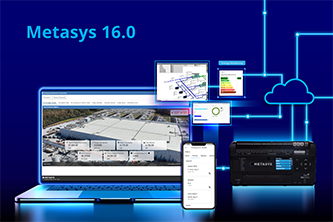
Our Metasys Building Automation System connects building systems including HVAC, lighting, security and protection through a single building management platform.
By bringing building information and controls together, facilities teams can monitor system performance, respond to changing conditions and manage building operations from a more centralised environment.
The platform can support individual facilities as well as more complex building environments, helping organisations develop a connected approach to building management.
Moving Towards Smarter Building Automation
As organisations face growing pressure to improve energy performance, manage operational costs and deliver better environments for building occupants, the role of building automation systems continues to expand.
Connected sensors, intelligent controls and centralised building management can provide greater insight into how a facility is operating and enable systems to respond more effectively to changing conditions.
For organisations developing a smart building automation strategy, the priority should be to consider the building as an interconnected environment rather than a collection of independent pieces of equipment.
By bringing systems, controls and building data together, organisations can create facilities that are easier to manage, more responsive to occupants and better equipped to meet changing operational demands.
Johnson Controls - Building Automation Systems Experts
Whether you are upgrading an existing building management system, integrating additional equipment or developing a wider smart building strategy, Johnson Controls can help you identify the right building automation and controls for your facility.